

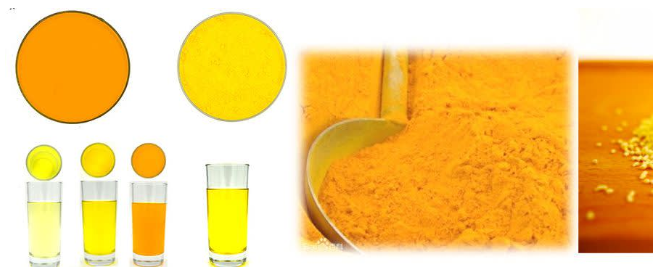
The first thing that is noticed by most people is the color of a food product. It occurs spontaneously and frequently in a few seconds. That’s one of the reasons that manufacturers pay attention to appearance in the development of their products. Turmeric Color is often used for various applications requiring warm yellow hues. The color ingredients are generally carefully scrutinized by product teams, as the impression created in the eyes of customers before eating the product can affect their perception.
Ingredients Need Testing
No ingredient is the same in all formulations. It may be different for a drink compared to a bakery product or a dairy item may present its own problem. For this reason, testing is a significant process in development; usually sample batches of food color powder are tested before the large-scale production process. The development teams examine the intensity of color, blending and general look. The assessments give valuable clues prior to significant manufacturing choices.
Manufacturing Changes Results
Color performance can be affected more than production conditions anticipate. Temperature exposure, moisture, mixing methods and interactions among ingredients affect the result. Colors that seem to be ideal when tested in the laboratory may not be exactly the same when processed commercially. Turmeric Color is frequently monitored to determine its behavior during actual production procedures, as part of a pilot run. Such evaluations assist businesses in determining practical aspects prior to embarking on full-scale production activities.
Storage Deserves Attention
There is usually a lengthy time lag between the time a product is manufactured and its arrival in the hands of consumers. At that time, manufacturers prefer a uniform appearance of their products. Storage studies are consequently a frequent ingredient assessment procedure. A series of tests can be conducted on food color powder to see how its color will behave over time. Product teams track results at various points and make notes of observations. This is useful in formulating improved ingredients and making more realistic attempts at product appearance in the long-term.
Product Categories Differ
The formulation challenges of each food category are unique. A confectionery product is not a beverage and frozen desserts are not baked goods. These differences must be taken into consideration when reviewing the performance of ingredients in the applications in which they are intended to be used. The effects of Turmeric Color can vary depending on the product application, such as a snack vs. a dairy product. When considering commercial use of color ingredients, product developers typically test the ingredient in their own products, rather than making assumptions.
Consistency Builds Trust
When consumers buy a product, they tend to anticipate that it will look the same the next time. Any visible difference – even a small one – can call attention to a product when it is displayed alongside. During manufacture, careful monitoring is required to maintain the consistency. A common practice is to add food color powder to the regular quality check to ensure a more uniform color. Production teams make the finished batches to internal standards. With these reviews, early identification of variations is possible and the results of production runs are more consistent.
Development Takes Time
Product development is far from a linear process. Several formulations are usually tested before reaching the final product. Ingredients might work great in one place that you need to modify in another. Turmeric Color is frequently revisited and evaluated for broader adoption. Product developers collect information regarding pilot batches, storage studies and production trials. This process assists companies to gain a deeper understanding about the performance of ingredients and to inform selection and use in commercial product development.
Looking At Details
When selecting ingredients, you typically need to look at more than just their appearance to come out successful. There are times when manufacturers have to take processing needs, ingredient compatibility, operational efficiency and storage needs into account simultaneously. The evaluation of food color powder is generally carried out in this context. The evaluation process involves technical documents, supplier information and practical testing. Consideration of multiple factors at once will enable businesses to determine solutions that meet production needs and provide the desired characteristics and quality of the product.
Conclusion
The appearance of a food product is important and sometimes a first impression, hence the relevance of color in food production. Foodrgb.com is a good resource for businesses seeking info about ingredients and coloring solutions. Turmeric Color and food color powder are still in use in many food products where color is a significant factor. Formulation requirements, manufacturing techniques, storage requirements and color requirements are all factors that determine if they are suitable. Proper testing and continuous testing provide manufacturers with knowledge of the performance of ingredients under real conditions. Do some careful research and select solutions that best address your product development goals.