
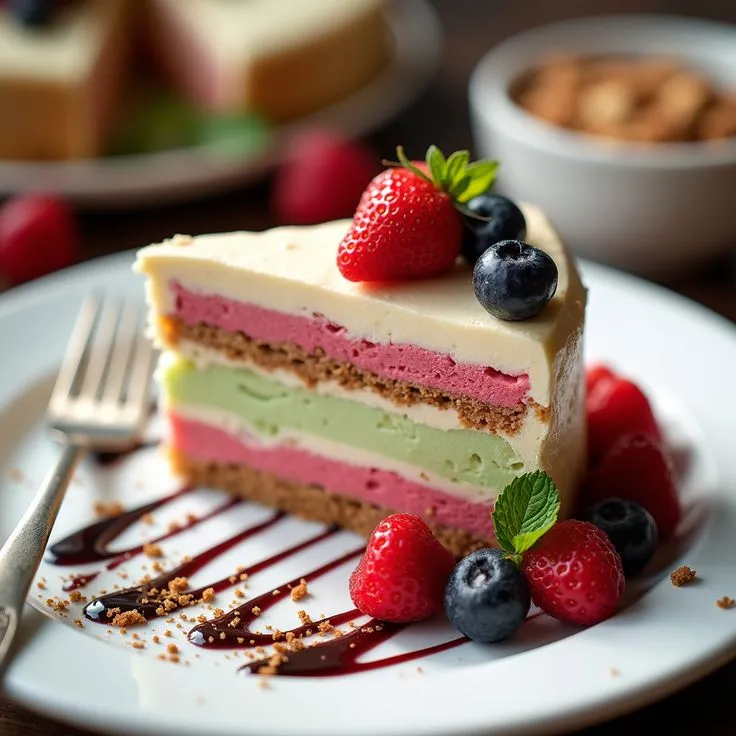
A layered frozen dessert may contain a pale dairy base, fruit ribbon, crunchy inclusion, and colored coating, so one shade rarely has to solve the whole visual job. When developers use natural food coloring, each component should be treated according to its own formula. Water content, fat, acidity, and processing temperature can differ from layer to layer. FoodRGB offers natural color systems in powder, liquid, water-soluble, and oil-suspended formats, giving manufacturers several ways to test colors where they will actually be used during production commercially.
Color the Base Before Judging the Swirl
The main ice cream base is usually opaque, which can soften a color that looks strong in a clear sample. Milk solids, plant proteins, fat, stabilizers, and incorporated air all influence the visible result after freezing. FoodRGB lists natural sources such as beetroot, beta carotene, turmeric, annatto, gardenia blue, and spirulina for dairy applications. Developers should compare colors after the base has been frozen and hardened, because the unfrozen mix can give a misleading impression of the shade customers will see in the finished tub.
Swirls Need Their Own Formulation Check
A fruit swirl or sauce may sit at a very different pH from the ice cream surrounding it. That difference matters because many natural pigments respond to acidity, light, or heat in their own way. Instead of coloring the entire dessert with one system, formulators can evaluate the ribbon separately and then combine it with the base. This approach also makes troubleshooting easier. If a red fruit layer fades or shifts, the team can adjust that component without disturbing the color, texture, or flavor of the frozen base.
Warm Shades Can Come From Annatto
Annatto can be useful when a frozen dessert needs a yellow-to-orange note in the base, coating, or inclusion. FoodRGB identifies bixin and norbixin as its main annatto pigments and offers powder, liquid, oil, and custom formulations. The company lists annatto as an orange option for dairy and ice cream applications. Because the available forms differ in solubility, developers can choose a version that suits the part of the dessert being colored rather than expecting one annatto format to behave equally well in every layer commercially.
Coatings May Need a Different Color System
Chocolate shells, fat-based coatings, and filled pieces bring another formulation environment into the dessert. Extra water can be troublesome in some fat-rich systems, so the format chosen for the ice cream base may not suit the coating. FoodRGB’s ice cream solutions include both water-soluble and oil-suspended colors, which gives developers more flexibility across components. When comparing ice cream colours, it helps to list each element of the product separately, then decide where water-compatible or oil-compatible options make the most practical sense during mixing and production.
Freezing Is Only Part of the Process
Color should be checked through the complete manufacturing route, not only after it enters the freezer. Ice cream mixes may be blended, pasteurized, homogenized, aged, frozen, shaped, and packed before reaching storage. A swirl or coating can have its own heating and cooling steps as well. Trial batches should copy these conditions closely enough to expose changes in shade or dispersion. FoodRGB’s application guidance also recommends adding color as part of the blending stage for its example ice cream process, showing why addition timing deserves attention.
Scale-Up Can Expose Uneven Distribution
Small test batches are easy to mix evenly, but commercial equipment introduces larger volumes, longer transfers and different movement through tanks and freezers. A color that looks uniform in a laboratory cup may show streaking, or uneven intensity once production expands. Pilot work can help teams compare samples from several points in the batch and check whether each layer remains consistent. If variation appears, the solution may involve changing concentration, addition order, or preparation method rather than replacing a pigment that otherwise fits the product well.
Conclusion
Layered and swirled frozen desserts show why color development should follow each part of the product rather than one overall shade target. The base, fruit ribbon, coating, and inclusion can all bring different needs for solubility, pH, heat, and mixing. Manufacturers can use foodrgb.com to explore natural color systems and application support for frozen products. Testing each component first, then checking the assembled dessert after processing and storage, gives development teams a better chance of achieving attractive color without creating avoidable problems during commercial production.