

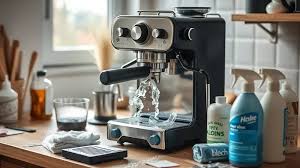
Walk into almost any well-run coffee shop early in the morning and there’s a specific rhythm to the place before customers arrive. Grinders start humming, milk gets stocked, pastries get arranged and somewhere behind the counter someone is cleaning the espresso machine. Or at least they should be. What most coffee shop owners don’t realize is that even a thorough cleaning routine can’t fully compensate for a water quality problem happening at the source, and in high-volume café environments, that problem is quietly working against them every single day.
The conversation around espresso quality tends to center on beans, roasting profiles, grind consistency and barista technique. All of those matter enormously. Water, though, is the primary ingredient in every cup, and the mineral content, chlorine levels and scale-forming potential of that water shapes extraction quality, machine performance and equipment lifespan in ways that most café operators don’t fully track until something breaks.
Coffee Oils Are the Problem You Can See. Scale Is the One You Can’t.
Coffee oils accumulate inside group heads, shower screens, baskets and valves faster than most baristas expect, especially in high-volume environments where machines run continuously throughout the day. According to the Specialty Coffee Association, coffee equipment maintenance plays a major role in preserving beverage quality and preventing operational problems inside cafés. Coffee professionals consistently identify oil buildup as one of the leading causes of bitter, stale or inconsistent espresso flavor, and a dirty group head that looks manageable externally can be disrupting extraction pressure, water flow and temperature stability in ways that show up in the cup long before they show up in a repair bill.
That’s the visible side of the problem, and it’s manageable with a disciplined cleaning routine. The invisible side is harder to address with a blind basket and a bottle of espresso cleaner.
Scale buildup develops inside boilers, water pathways and heating elements over time, and it does so where café staff can’t see it happening. Hard water minerals deposit gradually on internal surfaces, reducing boiler efficiency and disrupting the temperature stability that consistent espresso depends on. Coffee equipment experts identify mineral buildup as one of the leading causes of service calls and long-term espresso machine performance decline, and unlike oil residue that affects flavor immediately, scale compounds quietly over months until it becomes an expensive repair or an unexpected equipment failure mid-service.
A Proper Cleaning Routine Matters, and It’s More Involved Than Most Cafés Realize
The misconception that a quick rinse counts as cleaning is one of the more costly assumptions in café operations. A thorough daily cleaning process involves significantly more than most closing shifts actually include, and the details matter in ways that have real consequences for both flavor consistency and equipment longevity.
A proper espresso machine cleaning routine should include soaking the steam wand with a wet cloth to loosen milk residue rather than relying on chemicals alone, removing and cleaning shower screens daily, running chemical cleaning cycles with espresso cleaner through a blind basket, scrubbing group head seals and screens, flushing residual chemicals thoroughly from the machine and cleaning drip trays and external surfaces completely. One important detail many cafés overlook is the damage that excessive chemical soaking can do to group handles and rubber components over time. Leaving handles submerged in cleaner too long deteriorates adhesives, rubber seals and internal O-rings in ways that create their own set of problems down the line.
For cafés serving more than one kilogram of coffee per day, daily chemical cleaning is the appropriate standard, not an occasional deep clean when things start tasting off. That level of consistency is what separates genuine preventative maintenance from simply reacting to problems after they’ve already developed.
Water Quality Is the Variable That Cleaning Can’t Fix
Even cafés with solid cleaning routines can still experience significant machine problems if their water quality is poor. The Specialty Coffee Association recommends carefully controlled water mineral content because improper water chemistry affects both extraction quality and machine longevity. Hard water creates scale deposits inside espresso machines that reduce boiler efficiency, disrupt temperature consistency, clog water pathways and shorten equipment lifespan, and none of that responds to a cleaning chemical because it’s a water chemistry problem, not a residue problem.
Chlorine and chloramines present a different but equally significant issue. Municipal water treatment relies on these chemicals to ensure safe drinking water, but they affect espresso flavor in ways that can undermine even exceptional beans. Chlorine compounds alter the aromatic compounds that define specialty coffee’s tasting notes, and chloramines, which are increasingly common in treated water supplies, are more difficult to remove than chlorine alone and require specific filtration media to address effectively.
The result for coffee shops operating without water filtration is a compound problem: scale degrading equipment performance from the inside while chlorine compounds compromise the flavor of every shot pulled from that equipment. Neither issue shows up as an obvious failure point. Both affect the customer experience one drink at a time.
What Dirty Water Does to Flavor
According to Coffee Intelligence, coffee oils left inside espresso filters and grinders oxidize over time and create rancid flavors that overpower delicate tasting notes, but even oils removed through proper cleaning can’t fully compensate for water that tastes of chlorine or carries the mineral profile of an under-filtered municipal supply. Experts interviewed by Serious Eats explain that scale buildup can block water lines and affect extraction performance, creating the kind of inconsistency that shows up to customers as fluctuating shot quality without an obvious explanation.
The specific ways customers experience that inconsistency include bitterness that doesn’t track with the coffee itself, metallic or flat flavors, sour extractions from pressure and temperature disruption, weak steam performance and inconsistent milk texture. The customer doesn’t diagnose the water system. They simply form an opinion about the café based on an experience that feels less consistent than it should, and consistency is one of the hardest things in the industry to rebuild once it slips.
Steam Wand Maintenance Carries Its Own Risk
Milk residue creates a separate category of sanitation and flavor problems that deserves its own attention. Steam wands should be purged and wiped continuously throughout the day, but the deep cleaning that happens at closing is equally important and equally easy to rush. Dried milk residue harbors bacteria, affects steaming performance and creates burnt flavors that transfer directly into drinks in ways that skilled baristas can’t compensate for at the machine level.
Customers associate clean equipment with professionalism and trustworthiness in ways that happen subconsciously, and a steam wand with visible milk residue communicates something about the operation that no amount of quality sourcing can fully offset.
Filtration Is the Piece Most Cafés Are Missing
Commercial espresso machines represent some of the most significant capital expenditures a coffee shop makes, and unexpected downtime creates a cascade of problems: lost revenue, emergency technician costs, frustrated customers, workflow disruption and the operational chaos that comes with pulling a machine mid-service. The Specialty Coffee Association notes that maintenance schedules should be tailored to volume because higher volume shops naturally experience faster wear, scale buildup, gasket deterioration and filter exhaustion, which means the cafés with the most to lose from equipment failure are also the ones generating the most scale at the fastest rate.
Preventative espresso machine water filtration addresses the problem at its source rather than treating the symptoms after they develop. ScaleX Pro’s commercial filter systems are specifically designed for coffee equipment environments, with product lines ranging from the Catalytic Carbon for high-capacity chlorine and odor removal to The Answer PLUS, their most comprehensive option, which combines quadruple-media filtration with permanent scale prevention to address both temporary and permanent scale formation alongside chlorine, chloramines and VOC removal. Industry operators managing large fleets of machines have reported dramatically reduced service calls after implementing ScaleX Pro filtration, with one operator noting it eliminated scale-related issues across hundreds of espresso, drip and bean-to-cup machines simultaneously.
For a café investing in premium beans, trained baristas and a quality-focused experience, filtration is the operational detail that makes everything else work the way it’s supposed to. The cleaning routine keeps the machine performing day to day. The filtration system protects what that machine is capable of producing in the first place.
Great Espresso Starts Before Extraction
The conversations that happen inside specialty coffee tend to focus heavily on origin, processing, roasting and technique, and those things deserve the attention they get. Equipment cleanliness and water quality are the operational foundation underneath all of them, and cafés that treat water filtration as optional infrastructure rather than essential investment are consistently working harder than necessary to maintain quality that a better water system would protect automatically.
A properly maintained machine with properly filtered water produces cleaner extractions, more stable temperatures, better pressure consistency and more reliable drink quality over time. In an industry where customers are increasingly sophisticated about what they’re tasting, those operational details are no longer backend considerations. They shape the product every shift, one drink at a time.